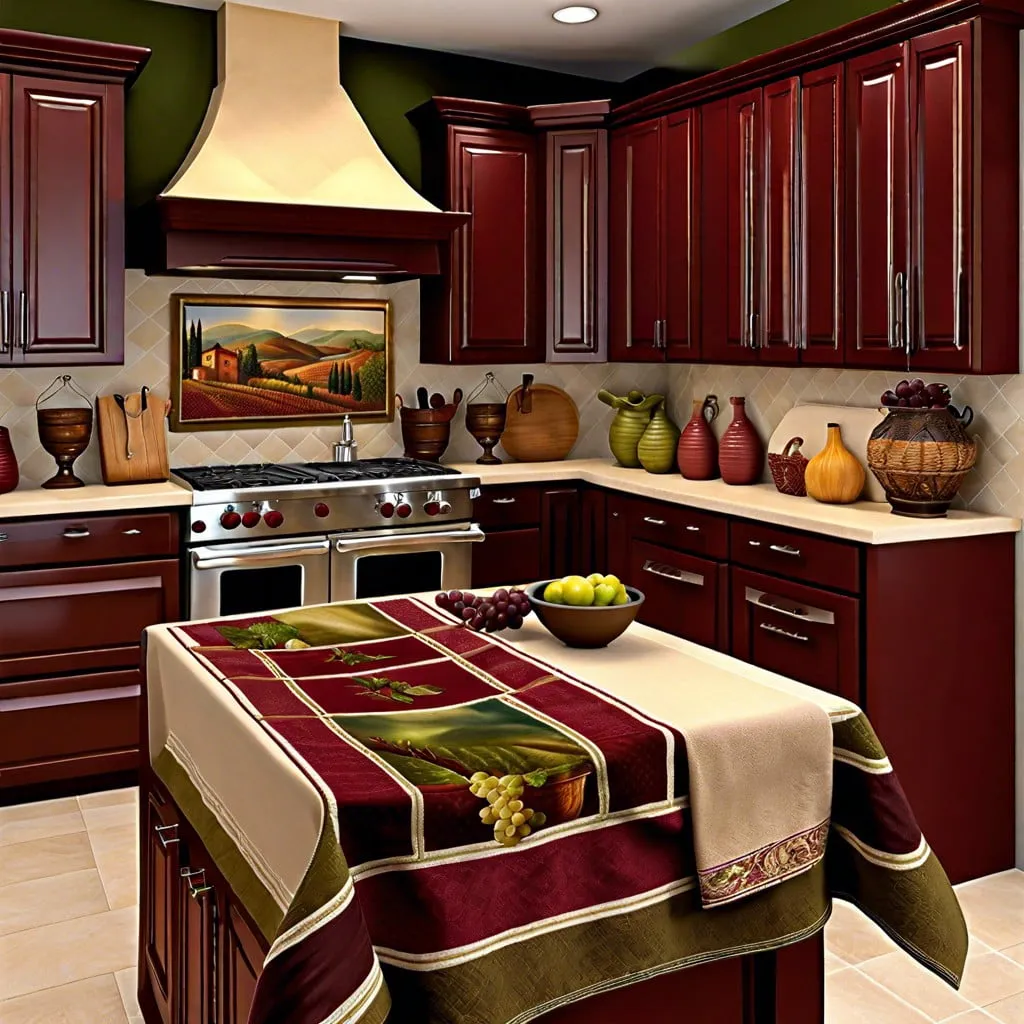
Essential Elements of Tuscany Kitchen Decor
Transforming your kitchen into a Tuscan paradise involves more than just a few decorative elements. It’s about capturing the essence of the Italian countryside, bringing warmth, charm, and a sense of timelessness to your culinary space. The best Tuscany kitchen decor is not just about the aesthetics; it’s about creating an environment that evokes feelings of relaxation, conviviality, and appreciation for the simple pleasures of life. This guide will unveil five key design secrets to help you achieve this captivating transformation, ensuring your kitchen becomes the heart of your home, just like in the heart of Tuscany itself. From embracing natural materials to selecting the right lighting and accessories, each element contributes to the overall ambiance, inviting you to cook, dine, and savor the joys of life in a kitchen that truly feels like a slice of Italy.
Rustic Charm of Tuscany Kitchens
At the heart of Tuscany kitchen design lies the celebration of rustic charm. This aesthetic embraces the beauty of imperfection, with a focus on natural materials, aged finishes, and a lived-in feel. The goal is to create a space that feels warm, welcoming, and deeply connected to the earth. This rustic style is not about sleek, modern lines; instead, it’s about embracing the character of materials like wood, stone, and wrought iron. Think exposed beams, weathered wood floors, and handcrafted furniture. The overall effect should be one of timeless elegance, a space that feels as if it has evolved organically over time, filled with stories and the warmth of family gatherings. The rustic elements in a Tuscany kitchen are not just decorative; they are integral to creating an inviting and functional space.
Importance of Natural Materials

The soul of a Tuscany kitchen is undoubtedly found in its use of natural materials. These elements bring an authentic connection to the Tuscan landscape, infusing the space with a sense of earthiness and enduring beauty. Wood, in its various forms, is a cornerstone. Whether it’s the rich grain of a farmhouse table, the rough-hewn texture of ceiling beams, or the warmth of wooden cabinetry, wood adds a layer of natural sophistication. Stone, too, plays a vital role, through countertops, backsplashes, or even flooring. The variations in color and texture add character and depth, creating a visual feast. Wrought iron, often used for pot racks, light fixtures, and cabinet hardware, adds a touch of old-world elegance, reflecting the region’s rich history of craftsmanship. The incorporation of these materials is not just about aesthetics; it’s about creating a space that feels grounded, authentic, and in harmony with nature, a core tenet of Tuscany kitchen decor.
Color Palette for a Tuscany Kitchen
The color palette in a Tuscany kitchen is as essential as the materials used, helping to create the warm, inviting atmosphere that defines this style. The hues should evoke the natural beauty of the Tuscan landscape, with its rolling hills, sun-drenched vineyards, and rustic architecture. The key is to use colors that are both comforting and reflective of the region’s climate and lifestyle. This palette should form the foundation of your design, creating a seamless blend between the indoors and the outdoors. Remember that the right colors can set the mood, making your kitchen a place where you love to spend time, whether you’re cooking, dining, or simply relaxing.
Warm Earth Tones
At the heart of the Tuscany color scheme are warm earth tones. These colors are inspired by the region’s landscape, from the rich browns of the soil to the golden hues of the sun-kissed hills. Think of terracotta, which can be used for flooring, backsplashes, or pottery. Creamy whites and soft beiges create a neutral base, providing a sense of spaciousness and allowing the other colors to shine. Warm yellows and ochres add a touch of sunshine, reflecting the radiant Tuscan light. Subtle greens, reminiscent of olive groves and vineyards, bring a touch of freshness and vitality. These colors create a sense of warmth and comfort, making the kitchen a welcoming space where you can relax and enjoy the simple pleasures of life. By incorporating these earth tones, you’ll create a kitchen that truly embodies the spirit of Tuscany.
Use of Textures

Incorporating texture is crucial for adding depth and interest to a Tuscany kitchen. Texture adds visual interest and creates a more inviting atmosphere. Rough-hewn wood, with its visible grain and knots, brings a sense of natural beauty. Textured tiles, such as terracotta or handmade ceramics, add visual richness to backsplashes and floors. Wrought iron accents, whether in the form of pot racks, light fixtures, or cabinet hardware, provide a touch of rustic elegance. Fabrics, like linen or burlap, add softness and warmth to the space. By layering these textures, you create a space that is visually dynamic, inviting you to touch and explore. The contrast of textures also prevents the kitchen from feeling flat or uninspired, ensuring that every corner of the space is full of charm and character. Texture is integral to bringing the rustic charm of Tuscany to life.
Incorporating Italian Pottery and Ceramics
Italian pottery and ceramics are essential components of Tuscany kitchen decor. These handcrafted pieces add authenticity, color, and personality to the space. The vibrant colors and intricate patterns often reflect the region’s rich artistic heritage and the natural beauty of the landscape. Displaying these pieces on open shelves, countertops, or in glass-fronted cabinets not only adds visual interest but also creates a connection to the culture. Look for pottery with traditional motifs, such as olive branches, lemons, or grapes, to enhance the Tuscan theme. Using these handcrafted pieces adds character and personality, making your kitchen a reflection of your appreciation for art and craftsmanship. These elements bring a sense of history and culture, turning your kitchen into a true Tuscan sanctuary.
Choosing the Right Lighting
The right lighting is crucial for setting the mood and enhancing the overall ambiance of a Tuscany kitchen. It should create a warm, inviting atmosphere, evoking the feeling of a sun-drenched Italian villa. Good lighting is not just about functionality; it’s about creating a space that feels comfortable and aesthetically pleasing. The goal is to create layers of light, using different types of fixtures to achieve the desired effect. This thoughtful approach to lighting enhances both the beauty and the functionality of the space, ensuring your kitchen is welcoming at any time of day. By carefully selecting and positioning your lighting, you can create a kitchen that truly captures the essence of the Tuscan lifestyle.
Layered Lighting Approach

A layered lighting approach is the key to a well-lit and inviting Tuscany kitchen. This involves combining different types of light to create a balanced and functional space. Start with general lighting, such as recessed lights or a central chandelier, to illuminate the entire area. Add task lighting, such as pendant lights over the island or under-cabinet lights, to provide focused illumination for food preparation and cooking. Finally, incorporate accent lighting, such as sconces or table lamps, to create ambiance and highlight decorative elements. This multi-layered approach ensures that every corner of the kitchen is well-lit, creating a warm and inviting space for cooking, dining, and socializing. By layering your lighting, you create both functionality and a captivating aesthetic.
Pendant Lights over Islands
Pendant lights over kitchen islands are a classic element in Tuscany kitchen decor, adding both style and functionality. These lights provide focused task lighting, making them ideal for food preparation and dining. Choose pendant lights that complement the rustic aesthetic, such as those with wrought iron frames, distressed finishes, or glass shades. The style of the pendant lights you select should complement the overall design scheme. Position the pendants at an appropriate height above the island to ensure adequate illumination without obstructing sightlines. Pendant lights not only add visual interest but also provide essential task lighting, making them a practical and stylish addition to any Tuscany kitchen.
Accent Lighting for Ambiance
Accent lighting is a crucial element in creating the warm and inviting ambiance that defines a Tuscany kitchen. This type of lighting is designed to highlight specific features, such as artwork, pottery, or architectural details. Consider using sconces, table lamps, or under-cabinet lights to add a touch of elegance and warmth. Sconces can be placed on either side of a mirror or a piece of artwork to create a focal point. Table lamps on countertops or shelves can add a soft glow, making the space more inviting. Under-cabinet lights provide focused illumination for food preparation while also adding a subtle, ambient glow to the kitchen. By incorporating accent lighting, you can transform your kitchen into a truly captivating space, perfect for both cooking and entertaining.
Selecting the Perfect Furniture

The furniture in a Tuscany kitchen should reflect the rustic charm and warmth of the region. It should be functional, comfortable, and aesthetically pleasing, creating a space where you can relax and enjoy the simple pleasures of life. The choice of materials and style is crucial for creating the authentic Tuscan feel. Furniture pieces should evoke a sense of history, craftsmanship, and a connection to the earth. From dining tables to seating options, each element should contribute to the overall ambiance, inviting you to savor meals and enjoy quality time with family and friends. With the right furniture choices, you can create a kitchen that truly embodies the spirit of Tuscany.
Wooden Kitchen Tables and Chairs
Wooden kitchen tables and chairs are a cornerstone of Tuscany kitchen decor, adding warmth, character, and functionality to the space. Look for tables made from solid, rustic wood, such as reclaimed oak or distressed pine. These tables should be large enough to accommodate family meals and gatherings, creating a sense of conviviality and togetherness. Chairs should complement the table, with options ranging from traditional wooden chairs to comfortable, upholstered options. Consider incorporating benches or corner seating to maximize space and create a more casual dining experience. Wooden furniture provides a sense of history and tradition, creating a space where you can gather, share meals, and create lasting memories. By choosing the right table and chairs, you can create a dining area that is both functional and beautiful, embodying the essence of the Tuscan lifestyle.
Adding a Wine Rack or Cellar
A wine rack or cellar is a quintessential element of Tuscany kitchen decor, reflecting the region’s rich wine-making heritage and adding a touch of sophistication to the space. A beautifully designed wine rack can serve as both a functional storage solution and a decorative focal point. If space permits, consider adding a small wine cellar, complete with temperature and humidity control, to properly store and age your favorite wines. Wine racks can be integrated into kitchen islands, incorporated into cabinetry, or displayed as a freestanding piece. The style of your wine storage should complement the overall design of the kitchen, with options ranging from rustic wooden racks to elegant wrought iron displays. By incorporating a wine rack or cellar, you not only add a touch of luxury but also celebrate the rich traditions of the Tuscan lifestyle.
Decorating with Accessories
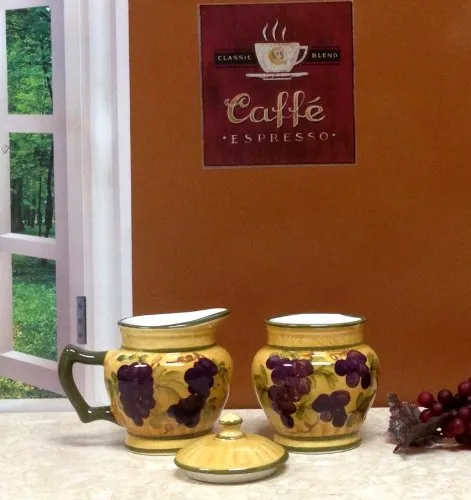
Accessories are the finishing touches that bring a Tuscany kitchen to life, adding personality, character, and a sense of authenticity. These small details can transform a space from functional to fabulous, reflecting your style and celebrating the beauty of the Tuscan lifestyle. The key is to choose accessories that complement the overall design scheme, creating a harmonious and inviting environment. From textiles to plants, each element should contribute to the warm, rustic charm that defines a Tuscany kitchen. Incorporating these elements allows you to personalize your space, making it truly your own, and creating a kitchen that is as beautiful as it is functional. Carefully selected accessories complete the look, enhancing the overall ambiance and transforming your kitchen into a Tuscan paradise.
Importance of Textiles
Textiles are essential for adding warmth, texture, and visual interest to a Tuscany kitchen. They can soften the space, introduce color and pattern, and create a sense of comfort. Consider using linen or cotton for curtains, tablecloths, and dish towels, as these natural fabrics evoke a sense of rustic elegance. Choose patterns inspired by the Tuscan landscape, such as floral prints, stripes, or geometric designs. Use cushions and throws on chairs and benches to add a touch of coziness and create a more inviting atmosphere. The selection of textiles should complement the color palette, reinforcing the warmth and inviting ambiance of the kitchen. By carefully incorporating textiles, you can create a space that feels both beautiful and functional, reflecting the charm of the Tuscan lifestyle.
Incorporating Plants and Herbs
Incorporating plants and herbs is a wonderful way to bring the beauty of the Tuscan countryside into your kitchen. Fresh herbs not only add a touch of greenery but also provide fresh ingredients for cooking. Place potted herbs, such as basil, rosemary, and oregano, on a windowsill or countertop, where they can thrive in sunlight. Add larger potted plants, like olive trees or citrus trees, to create a sense of natural beauty and connect the kitchen to the outdoors. Floral arrangements, especially those featuring sunflowers, lavender, or wildflowers, can also bring a touch of color and vibrancy. The addition of plants and herbs transforms your kitchen into a fresh and inviting space, making it a place where you can connect with nature and enjoy the simple pleasures of life. These elements contribute to a sensory experience, bringing the essence of the Tuscan landscape indoors.
Final Touches and Details

The final touches and details are essential for completing the transformation of your kitchen into a Tuscan paradise. These small elements add personality, character, and a sense of authenticity, ensuring that your space is both beautiful and inviting. Pay attention to the details, from the hardware on your cabinets to the artwork on your walls, as each element contributes to the overall design scheme. These final touches ensure your kitchen is both functional and aesthetically pleasing, offering an authentic taste of Tuscany. By thoughtfully considering the final touches and details, you can create a kitchen that is not only a beautiful space but also a welcoming hub for cooking, dining, and gathering with loved ones.