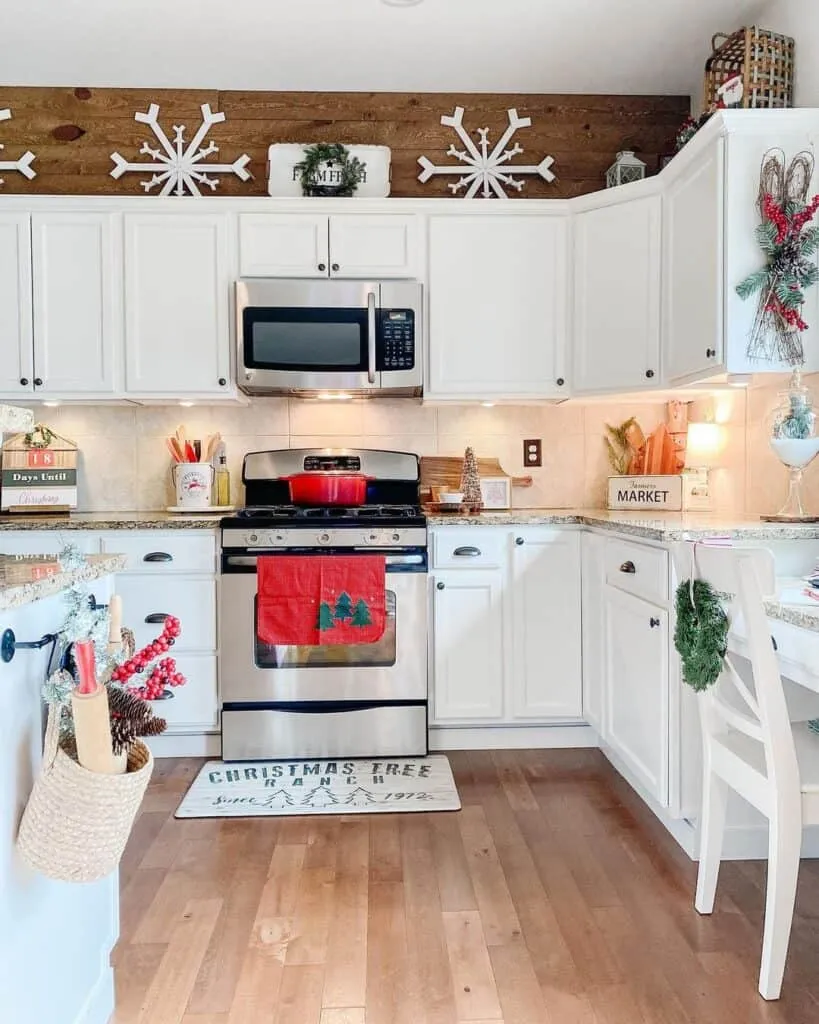
Embracing Rustic Red Kitchen Decor
Rustic red kitchen decor for walls offers a unique blend of warmth, character, and charm, transforming the heart of your home into a welcoming and inviting space. Red, a color often associated with energy and passion, brings a vibrant and dynamic feel to the kitchen, while the rustic elements add a touch of history, tradition, and comfort. This combination creates a space that is both visually appealing and emotionally comforting, making your kitchen not just a place to cook but also a place to gather, connect, and create lasting memories. Choosing rustic red for your kitchen walls can be a bold statement, but when done right, it can significantly enhance the overall aesthetic and functionality of your culinary space. The key lies in understanding the nuances of red, the various rustic elements, and how to bring them together harmoniously.
The Allure of Red Walls in Rustic Kitchens
Red walls in a rustic kitchen evoke a sense of warmth and intimacy. Red is a stimulating color, capable of boosting appetite and creating a cheerful atmosphere. In a rustic setting, the boldness of red is beautifully balanced by the natural textures and materials often found in this style. Think wooden beams, stone countertops, and exposed brick, all of which complement the richness of red. The allure of red walls also stems from their versatility; they can be adapted to various rustic sub-styles, from farmhouse to country to Tuscan. The color can be used to create a cozy, enveloping feel, perfect for family meals and casual gatherings. Moreover, red can be a great backdrop for showcasing other rustic elements, allowing them to truly shine.
Selecting the Right Shade of Red for Your Kitchen

Choosing the right shade of red is crucial for the success of your rustic red kitchen decor. The ideal shade depends on several factors, including the size of your kitchen, the amount of natural light it receives, and the overall style you’re aiming for. Consider exploring various shades, from deep, earthy tones like brick red or barn red, which are ideal for creating a warm and inviting atmosphere, to brighter, more vibrant reds that can energize the space. Test paint samples on your walls and observe how they look at different times of the day to ensure the color complements your kitchen’s lighting conditions. Remember, the shade of red should harmonize with your existing elements, such as cabinetry, countertops, and flooring, creating a cohesive and balanced look. Consider consulting with a professional interior designer or color expert to gain insights tailored to your specific kitchen and decor.
Consider Your Kitchen’s Natural Light
The amount of natural light your kitchen receives significantly impacts how red will appear on your walls. In kitchens with abundant natural light, you can afford to use deeper, richer reds, as the sunlight will help to balance the color and prevent it from feeling overwhelming. Conversely, in kitchens with less natural light, lighter shades of red or red with warm undertones will work better. These colors can help to brighten the space and prevent it from feeling too dark or closed in. Pay attention to the direction your windows face; kitchens with south-facing windows will receive more direct sunlight and can handle cooler reds, while those with north-facing windows may benefit from warmer, more inviting shades. The interplay of light and color is critical to creating the desired atmosphere in your kitchen.
Deep Reds for Larger Kitchens
Larger kitchens can handle deep reds with more ease, as the space provides a visual buffer, preventing the color from overwhelming the room. Deep reds like burgundy, oxblood, or brick red create a sense of luxury and sophistication, perfectly complementing a rustic aesthetic. These shades can also make a large kitchen feel more intimate and cozy, especially when paired with warm lighting and natural wood elements. When using deep reds in a larger kitchen, ensure to balance them with lighter elements, such as white or cream-colored cabinetry, light-colored countertops, and a bright backsplash, to prevent the space from feeling too dark or closed in. Incorporating natural textures, such as exposed brick or stone, can also add depth and visual interest.
Lighter Reds for Smaller Spaces

Smaller kitchens benefit from lighter shades of red. Light reds or those with warm undertones, such as coral, blush, or terracotta, can create a sense of spaciousness and brightness. These colors reflect light and prevent the room from feeling cramped. Consider using a lighter red as the primary wall color and incorporating darker red accents through accessories, such as dish towels, curtains, or artwork. This approach allows you to enjoy the warmth of red without making the space feel too small. Pair the red with light-colored cabinets, countertops, and flooring to further enhance the sense of openness. Ensure your lighting scheme is well-planned, with both ambient and task lighting, to brighten the space effectively.
Choosing the Right Wall Paint Finish
The finish of your wall paint plays a significant role in the overall aesthetic and functionality of your rustic red kitchen decor. Different finishes offer varying degrees of sheen, durability, and ease of cleaning. The choice of finish can affect the way the color appears and how well the walls withstand the rigors of a kitchen environment. Consider factors like moisture, grease, and the amount of activity in your kitchen when selecting a finish. A well-chosen paint finish will not only enhance the beauty of the red but also ensure the longevity of your kitchen walls.
Matte Finishes for a Subtle Rustic Look
Matte finishes are an excellent choice for achieving a subtle, understated rustic look. They absorb light, which minimizes imperfections and gives the walls a soft, velvety appearance. Matte finishes work beautifully with rustic red, as they create a cozy and inviting atmosphere, making the space feel warm and enveloping. However, matte finishes are less durable and more difficult to clean than other finishes, so consider them for areas with less activity or where you are willing to prioritize aesthetics over practicality. In rustic kitchens, matte finishes complement natural textures, such as wood or stone, and enhance the overall rustic charm. They are best suited for kitchens where the focus is on creating a relaxed and comfortable environment.
Semi-Gloss for Durability and Shine

Semi-gloss finishes provide a balance between durability and aesthetic appeal. They offer a slight sheen that reflects light, making them easier to clean and more resistant to moisture and stains. Semi-gloss finishes are a practical choice for kitchens, where walls are prone to spills and splatters. They also provide a subtle visual interest, enhancing the color and adding a touch of sophistication to the space. In rustic kitchens, semi-gloss finishes can be used to highlight architectural details or to create a contrast with matte-finished elements. While more reflective than matte finishes, semi-gloss still maintains a degree of warmth, making it a versatile option for various rustic kitchen styles. Consider semi-gloss for areas around the sink or stove, where cleaning is frequent.
Rustic Red Kitchen Decorating Ideas
Decorating a rustic red kitchen requires careful consideration of the various elements that contribute to the overall aesthetic. Focus on integrating rustic elements, adding wooden accents, using vintage accessories, and incorporating wrought iron details. These elements will enhance the warmth and character of the red walls, creating a cohesive and inviting space. A well-decorated rustic kitchen is a balance of color, texture, and functionality, creating a space that feels both stylish and lived-in. Consider each element and how it contributes to the overall design to bring your vision to life.
Integrating Rustic Elements
Integrating rustic elements is key to creating a cohesive and authentic rustic red kitchen. This might include exposed wooden beams, reclaimed wood shelving, or a butcher block countertop. Consider incorporating materials like stone, brick, or slate to add texture and visual interest. Natural textures and materials help balance the intensity of the red walls. These elements should feel aged, slightly imperfect, and imbued with a sense of history. The idea is to create a space that looks and feels lived-in, showcasing the beauty of imperfection. Choosing elements that reflect the natural world, such as wooden cutting boards, woven baskets, or ceramic pottery, reinforces the rustic theme and creates a harmonious atmosphere.
Adding Wooden Accents

Wooden accents are essential for creating a warm and inviting rustic kitchen. Wooden cabinetry, open shelving, or a wooden island can complement red walls beautifully. The wood provides a natural contrast to the red, creating visual balance and preventing the space from feeling overwhelming. Consider using different types of wood, such as reclaimed wood for a more rustic look or lighter-toned woods for a more contemporary feel. Wooden accents also provide an opportunity to introduce texture and pattern to the kitchen. A wooden backsplash, for example, can add depth and interest. Ensuring that the wood is finished to withstand kitchen conditions is critical to the long-term durability of the kitchen design.
Using Vintage Accessories
Vintage accessories can add character and charm to your rustic red kitchen. Consider incorporating vintage signs, enamelware, antique scales, or old kitchen utensils. These items can be displayed on open shelves, countertops, or walls. They provide a sense of history and authenticity, enhancing the rustic aesthetic. Look for items with a weathered appearance or a unique patina, which will add to the charm. Vintage accessories also make great conversation starters and can personalize your kitchen, reflecting your tastes and interests. Avoid overdoing it; select items that complement the red walls and the overall design. The goal is to create a curated collection that adds depth and personality without cluttering the space.
Incorporating Wrought Iron Details
Wrought iron details are perfect for adding a touch of elegance and sophistication to your rustic red kitchen. Consider incorporating wrought iron lighting fixtures, pot racks, or cabinet hardware. The dark color and intricate designs of wrought iron provide a beautiful contrast to the red walls and other rustic elements. Wrought iron also adds a touch of visual texture. It can be used to create a focal point, such as an ornate chandelier, or to add subtle details throughout the kitchen. Be sure to choose wrought iron pieces that complement the overall style of the kitchen, avoiding overly ornate designs that might clash with the rustic theme. Wrought iron is durable and can withstand the rigors of a kitchen environment.
Designing a Cohesive Rustic Kitchen

Designing a cohesive rustic kitchen requires careful consideration of all the elements involved. From the color palette to the materials, and the accessories, every aspect should work together to create a unified and harmonious space. This means paying attention to the balance of colors, the textures, and the overall style. The aim is to create a kitchen that is not only visually appealing but also functional and comfortable. A well-designed rustic kitchen should feel welcoming and inviting, a space where you can comfortably cook, entertain, and enjoy time with family and friends. This is achieved by carefully selecting each component to ensure it complements the rustic red walls and enhances the overall aesthetic.
Balancing Red with Neutral Colors
Balancing red with neutral colors is essential for creating a harmonious and visually appealing rustic kitchen. Neutrals, such as white, cream, gray, and beige, can provide a calming contrast to the intensity of red, preventing the space from feeling overwhelming. Consider using neutral colors for cabinetry, countertops, or flooring. White cabinetry, for example, can brighten the space and make the red walls stand out. Cream-colored walls can complement the warmth of red, creating a cozy and inviting atmosphere. Gray or beige can add a touch of sophistication and create a more modern rustic look. When choosing neutrals, focus on those with warm undertones to enhance the overall feeling of the space. Use accessories to introduce more color and create visual interest.
Creating a Focal Point
Creating a focal point is an effective design strategy that draws the eye and adds visual interest. In a rustic red kitchen, you can use several design elements to create a focal point. Consider an accent wall painted a slightly different shade of red, a unique piece of artwork, or a striking range hood. A kitchen island with a contrasting countertop or cabinetry can also serve as a focal point. When selecting a focal point, make sure it complements the red walls and the overall rustic aesthetic. It should be visually interesting without dominating the space. The focal point should harmonize with the surrounding elements, drawing the eye and enhancing the overall beauty of the kitchen. Careful planning can create an unforgettable design.
Accessorizing with Purpose

Accessorizing with purpose is the final touch that brings a rustic red kitchen to life. Select accessories that complement the color scheme, the style, and the functionality of the space. Incorporate items such as antique pottery, wooden cutting boards, vintage signs, or woven baskets. These accessories not only add visual interest but also reflect your personality and tastes. Display them strategically on open shelves, countertops, or walls. Avoid cluttering the space with too many accessories; instead, choose a few carefully curated pieces that add character and charm. The goal is to create a kitchen that feels personal and welcoming, a space that reflects your lifestyle and tastes. Accessories help tell a story and make your kitchen uniquely yours.